There are no items in your cart
Add More
Add More
| Item Details | Price | ||
|---|---|---|---|

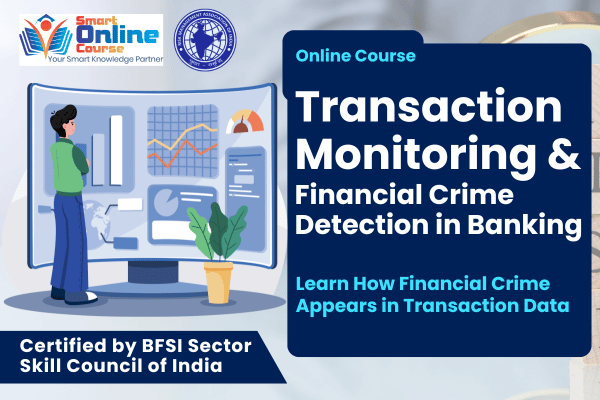
Learn How Financial Crime Appears in Transaction Data
Validity Period: 120 days
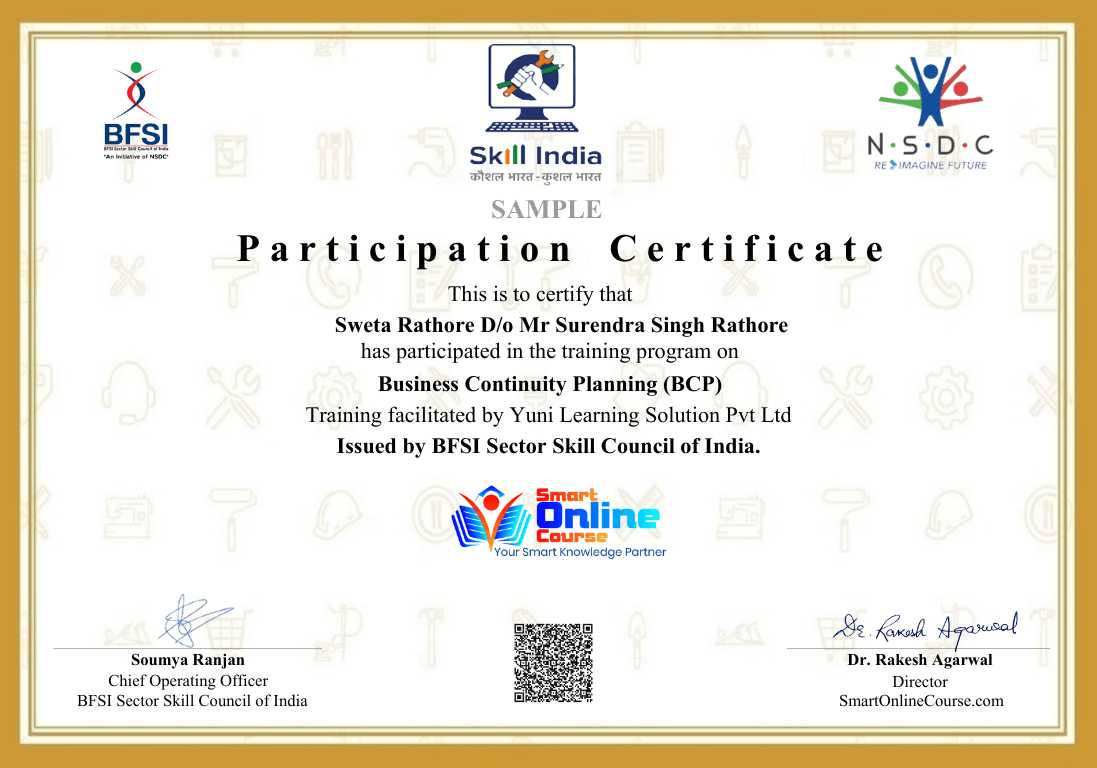
Under NSDC- Government of India
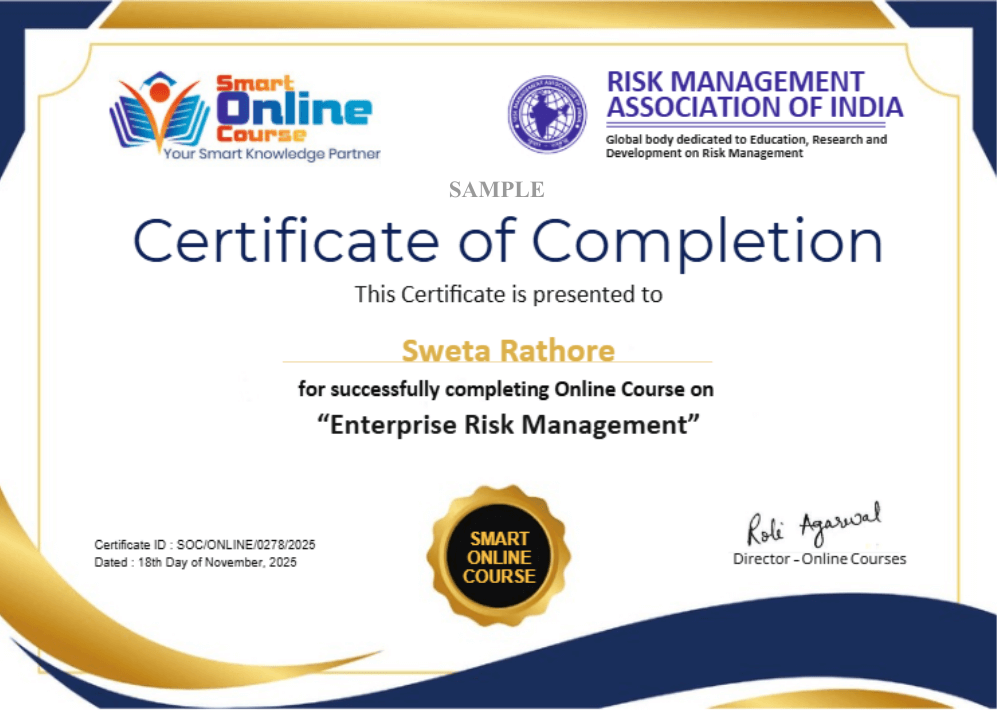
Global Body dedicated to Risk Management
Financial crime rarely begins with obvious warning signs. It usually appears as small anomalies hidden within transaction patterns, account behaviour, and monitoring alerts. Detecting these signals early is critical to preventing financial crime, regulatory penalties, and reputational damage.
This 5-hour practical course on Transaction Monitoring & Financial Crime Detection equips professionals with the skills required to analyse monitoring alerts, identify suspicious activity patterns, conduct structured investigations, and document findings in a regulator-ready manner.
The course explains how transaction monitoring systems generate alerts and what different risk signals mean in real banking environments. Participants learn to identify common financial crime typologies such as structuring, mule accounts, layering behaviour, pass-through accounts, and rapid movement of funds across linked accounts.
Learners also develop investigative thinking by analysing customer risk context, comparing KYC profiles with transaction behaviour, examining inflow–outflow logic, and identifying counterparty linkages that indicate suspicious activity.
Using practical case examples and real financial crime scenarios, the course builds the capability to interpret alerts correctly, document investigations clearly, and escalate suspicious transactions before financial crime risks escalate into major compliance failures .
Many suspicious transactions go undetected because alerts are misunderstood, investigations are inconsistent, and documentation is weak. Monitoring teams often face alert fatigue, leading to premature closure of alerts without proper investigation.
Without structured investigative workflows, behavioural analysis, and evidence-based documentation, financial institutions remain vulnerable to financial crime risks and regulatory scrutiny.
Financial crime signals are hidden inside transaction patterns.
Build the capability to analyse alerts, investigate suspicious activity, and strengthen transaction monitoring controls within financial institutions.
Get the complete training program details which includes:
Add the course to your cart and complete the secure online payment. Receive instant access to the self-paced course, available in the course library. Access the course anytime, anywhere using a computer or any other device. Complete all course modules at your own pace, including video lectures and assessments. Fill out the certificate request form to receive your Certificate of Completion.