There are no items in your cart
Add More
Add More
| Item Details | Price | ||
|---|---|---|---|

Learn how banks, NBFCs and insurers identify, validate, monitor and govern the models behind their credit, risk and business decisions, aligned to RBI's June 2026 draft guidance.
Trusted by leading banks, insurers and financial institutions
Credit scoring, ECL, pricing, liquidity, fraud detection and capital planning all run on models. RBI's draft guidance extends model risk management to every model an institution relies on: in-house, vendor-supplied or AI/ML.
RBI's first dedicated proposal, focused on credit models.
Enterprise-wide MRM in Canada, effective 1 May 2027.
Fed, OCC and FDIC replaced SR 11-7.
Five principles treating MRM as its own discipline.
Enterprise-wide, including third-party and AI/ML models.
RBI's 2026 document is a draft guidance; the course will be updated as the framework is finalised. Refer to the RBI text for the requirements that apply to your entity.
10 pages covering the RBI 2026 draft themes by module, all 52 lectures and cases, the 11 toolkits, certification and fee. Easy to share with your manager or L&D team.
10 modules take you through how models are identified, built, validated, monitored and governed, then apply that to credit, market, liquidity and AI/ML models used in banking.
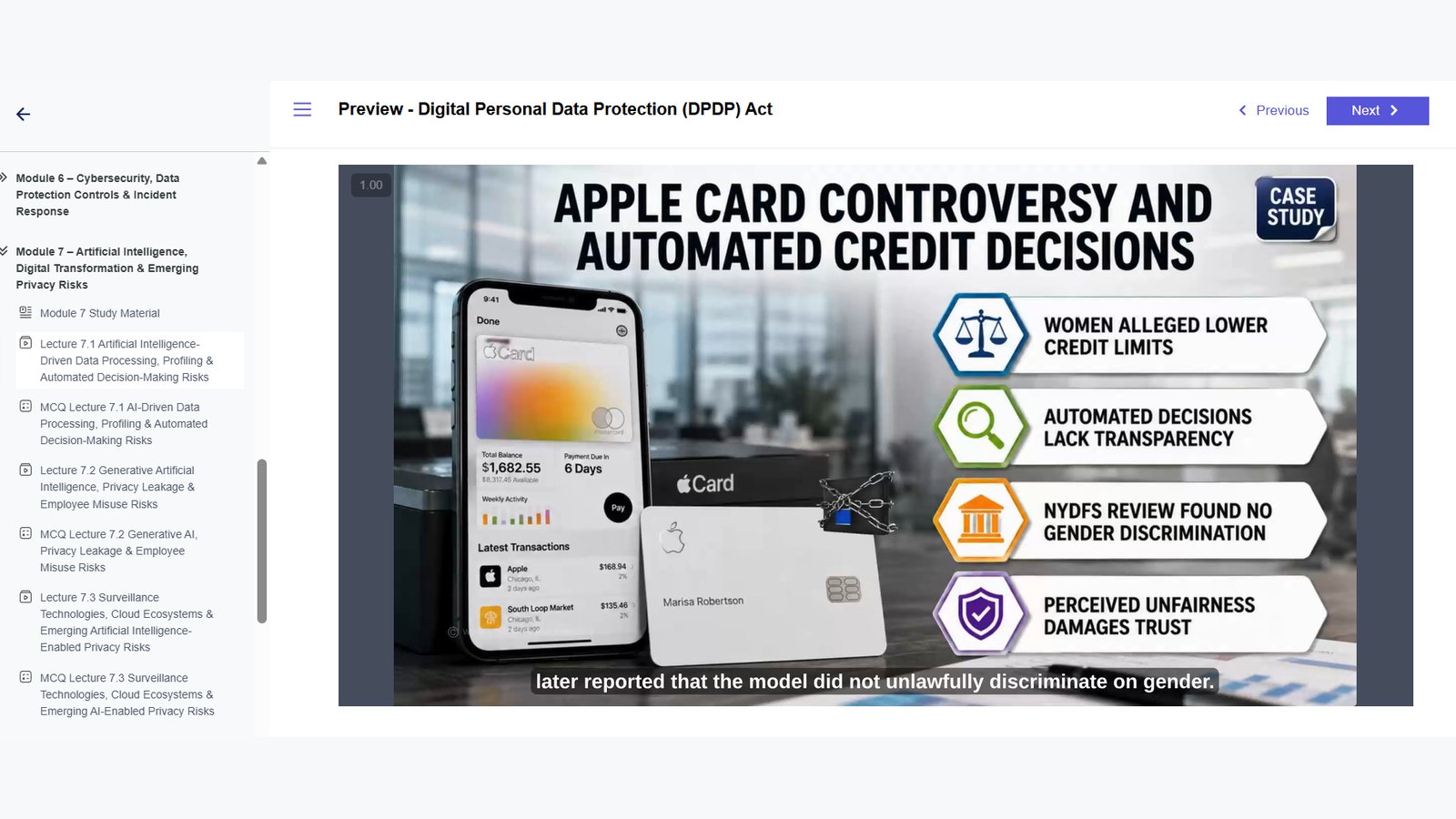
Understanding Models & Their Use in Financial InstitutionsCase: Goldman Sachs Apple Card algorithm investigation, 2019–2021
Sources of Model Risk – Assumptions, Data & MethodologyCase: AIG Financial Products CDS risk models, 2008
Implementation Risk, Model Use & Model PerformanceCase: Moody's CPDO model coding error, 2007–2010
Consequences of Model Risk & Model Risk as a Distinct Risk DisciplineCase: JPMorgan Chase London Whale, 2012
RBI 2026 draft theme covered: Board-approved MRM framework; roles of owners, developers, validators and users
Evolution of RBI's Model Risk Management FrameworkRegulatory: RBI draft principles for management of model risks in credit, 2024
RBI Draft Guidance on Regulatory Principles for Model Risk Management, 2026Regulatory: RBI draft guidance on model risk management, 2026
Basel Principles & US Revised Model Risk Management GuidanceRegulatory: Federal Reserve / OCC / FDIC revised MRM guidance, 2026
UK PRA & European Internal-Model ExpectationsRegulatory: PRA SS1/23 – Model Risk Management Principles for Banks
OSFI Enterprise-Wide MRM & Cross-Jurisdiction Regulatory ComparisonRegulatory: OSFI Guideline E-23 – Model Risk Management
MRM Governance Structure, Roles & IndependenceIndustry: Federal Reserve supervisory stress-test model governance
RBI 2026 draft theme covered: Model identification, inventory and risk-based tiering
Model Identification & Enterprise Model PopulationIndustry: Barclays Group model risk framework & models database
Model Inventory, Documentation & Dependency MappingCase: Discover Financial Services centralised model risk management
Model Materiality, Criticality & Inherent Risk AssessmentIndustry: TD Bank model risk management framework
Model Risk Tiering & Proportionate MRM ControlsIndustry: Global Credit Data model tiering survey, 2024
RBI 2026 draft theme covered: Model lifecycle: development, data, methodology, implementation and documentation
Model Purpose, Intended Use & Development FrameworkIndustry: Federal Reserve DFAST supervisory stress-test models, 2015
Model Data Selection, Quality & LineageCase: Equifax credit data coding error & Fannie Mae notice, 2022
Model Methodology, Variables, Assumptions & Parameter EstimationCase: Long-Term Capital Management, 1998
Model Development Testing, Overfitting & LimitationsCase: S&P Dow Jones volatility-related index incident, 2018
Model Implementation, System Integration & Production DeploymentCase: AXA Rosenberg quantitative model coding error, 2007–2010
Model Documentation, Permitted Use & Governance of Model OutputsCase: Emperor Investments robo-adviser enforcement action, 2021
RBI 2026 draft theme covered: Independent validation, testing and effective challenge
Independent Model Validation Framework & Validation ScopeRegulatory: National Iron Bank OCC formal agreement, 2023
Conceptual Soundness & Methodology ChallengeRegulatory: ECB Targeted Review of Internal Models (TRIM), 2016–2021
Validation of Data, Inputs, Parameters & ImplementationIndustry: Fannie Mae model risk management framework
Outcomes Analysis & Predicted-versus-Actual PerformanceCase: US banks' VaR backtesting exceptions in the COVID-19 crash, 2020
Back-testing, Sensitivity Analysis & Stress TestingRegulatory: Basel market risk backtesting framework
Benchmarking & Challenger Model AnalysisIndustry: APRA IRRBB model validation expectations
Validation Independence, Competence & Effective ChallengeIndustry: BOK Financial independent model validation framework
Validation Findings, Model Approval & Corrective ActionIndustry: Bradesco independent model validation framework
RBI 2026 draft theme covered: Ongoing monitoring, drift, overrides, change management and decommissioning
Ongoing Model Monitoring & Performance IndicatorsIndustry: OCC early-warning model performance study, 2010
Model Drift, Data Drift & Changing Business ConditionsRegulatory: ECB Guide to Internal Models – model drift monitoring, 2025
Model Overrides, Management Overlays & Post-Model AdjustmentsCase: HSBC IFRS 9 post-model adjustments during COVID-19, 2020
Model Change Management, Approval & RevalidationIndustry: Fannie Mae / Freddie Mac credit score models initiative, 2026
Model Recalibration, Enhancement & RedevelopmentCase: Deutsche Bank IFRS 9 model refinements & recalibration, 2021
Model Retirement, Replacement & DecommissioningCase: Global LIBOR transition – model replacement & retirement
Model Risk in Credit Risk ManagementCase: ECB sanction against Crédit Mutuel, 2024
Model Risk in IFRS 9 & Expected Credit LossCase: Lloyds Banking Group IFRS 9 ECL adjustments, 2020
Model Risk in Market Risk, Pricing & ValuationCase: National Australia Bank foreign currency options losses, 2004
Model Risk in Liquidity, ALM & Interest Rate RiskCase: Silicon Valley Bank failure, 2023
Model Risk in Fraud Detection, AML & Financial CrimeCase: Danske Bank Estonia AML failures, 2008–2016
Model Risk in Capital Planning & Stress TestingCase: DB USA Corporation CCAR, 2018
RBI 2026 draft theme covered: Third-party and vendor model governance
Understanding Vendor, External & Black-Box Model RiskIndustry: FHFA transition to FICO 10T & VantageScore 4.0
Vendor Due Diligence, Methodology Transparency & DocumentationCase: Morningstar Credit Ratings CMBS model adjustments, 2015–2016
Validation, Customisation & Ongoing Oversight of Vendor ModelsIndustry: Jefferies third-party pricing & model validation practices
Contractual Controls, Concentration Risk & Vendor ExitCase: Bloomberg Terminal global outage, May 2025
RBI 2026 draft theme covered: AI/ML-specific governance, consumer protection and human oversight
AI/ML Models & Distinctive Sources of Model RiskRegulatory: EBA follow-up report on machine learning for IRB models, 2023
Explainability, Robustness & AI/ML Model ValidationIndustry: Bank of England / FCA machine learning survey, 2022
AI/ML Drift, Performance Monitoring & Human OversightRegulatory: BIS Financial Stability Institute – AI explainability, 2025
Foundation Models, Generative AI & Emerging MRM BoundariesIndustry: Bank of England – AI in the financial system, 2025
RBI 2026 draft theme covered: Model-risk reporting, appetite and escalation to the Board
Enterprise Model-Risk Dashboard & Key Risk IndicatorsIndustry: Truist Financial model risk oversight & KRI reporting
Model-Risk Appetite, Exceptions & Management EscalationIndustry: Wells Fargo model risk governance & Board Risk Committee
Enterprise Model-Risk Mitigation & Management ActionsIndustry: State Street Corporation model risk management framework
Board Reporting, Internal Audit & Regulatory Examination ReadinessCase: Santander Holdings USA CCAR qualitative objection, 2015
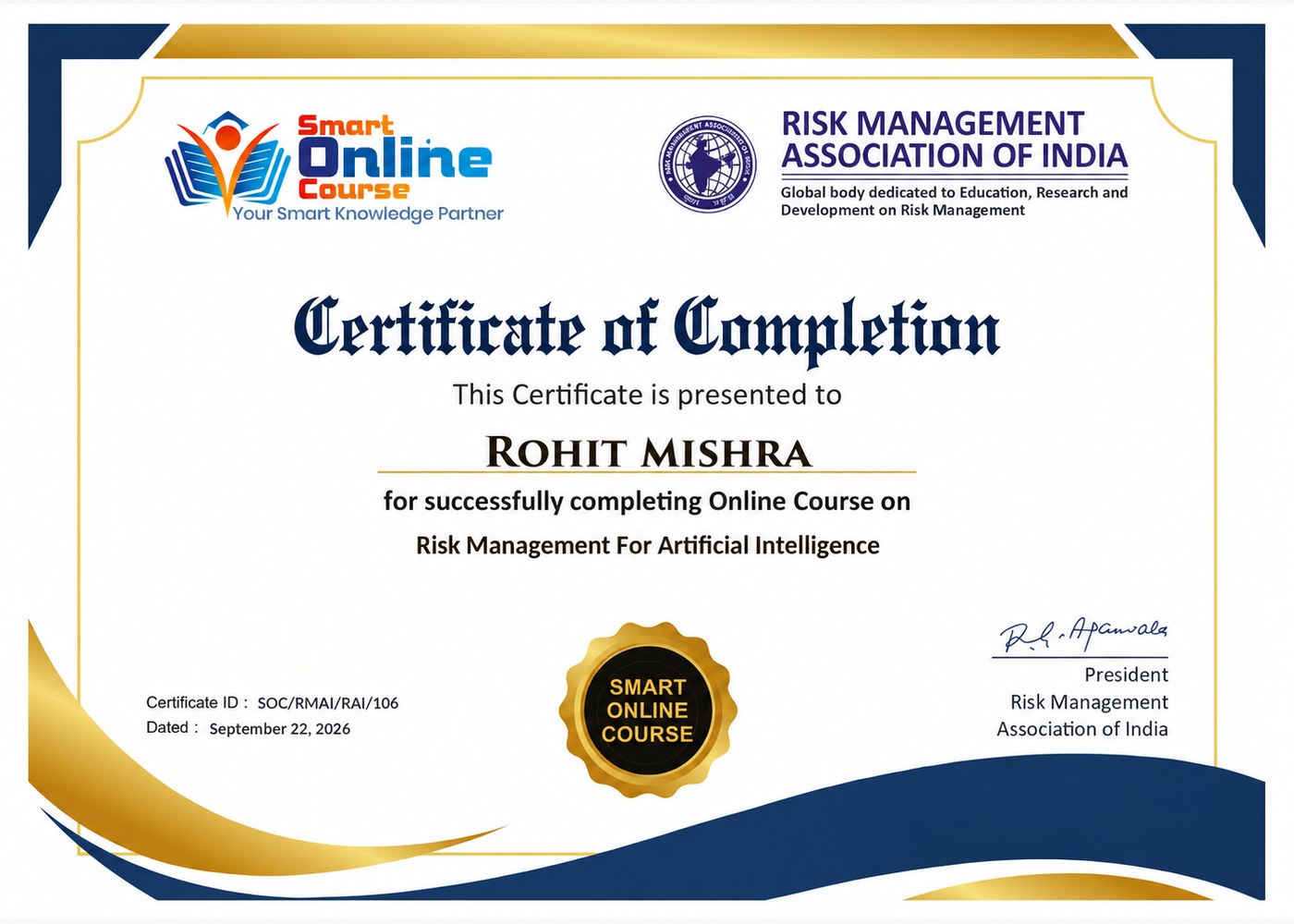
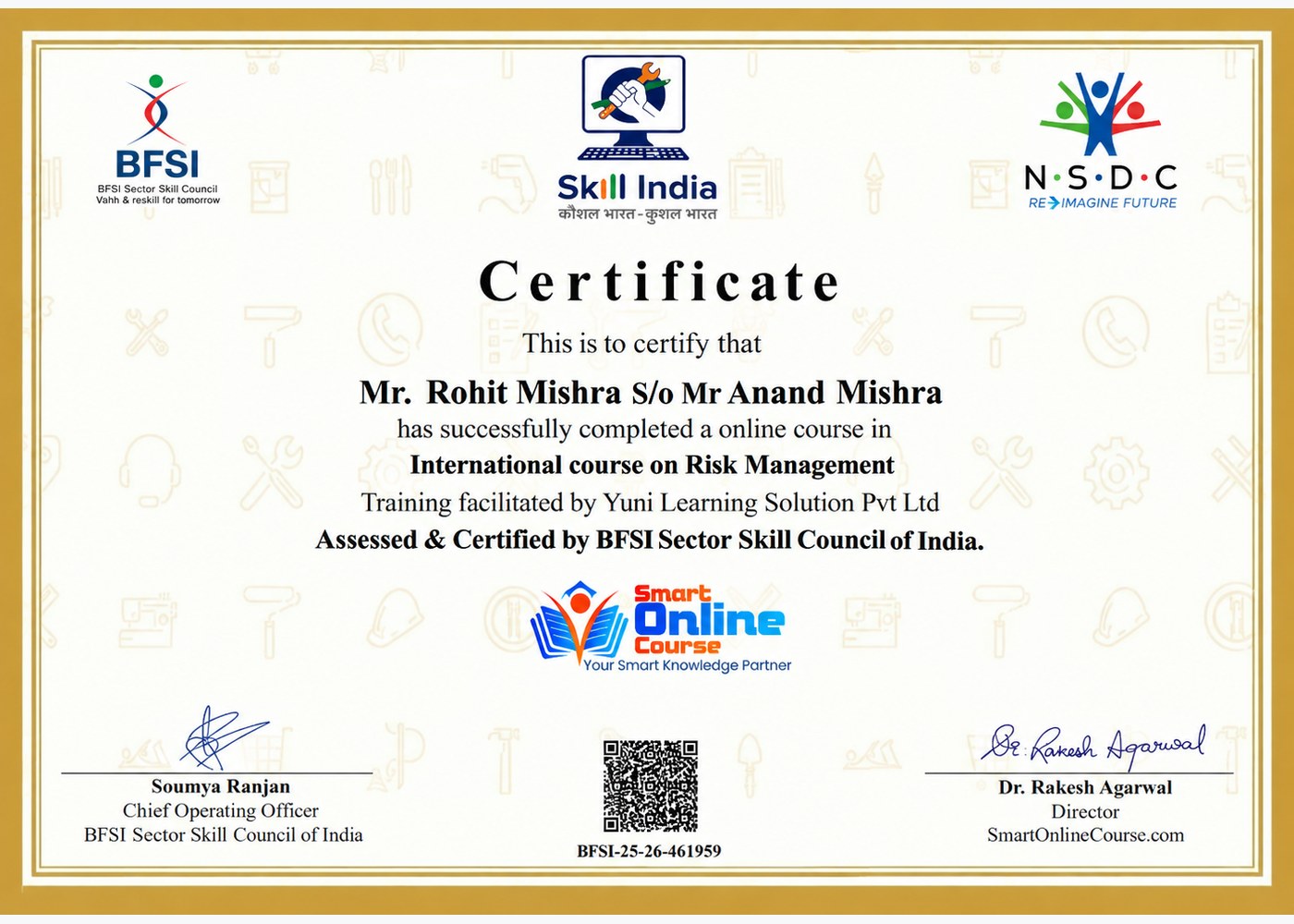
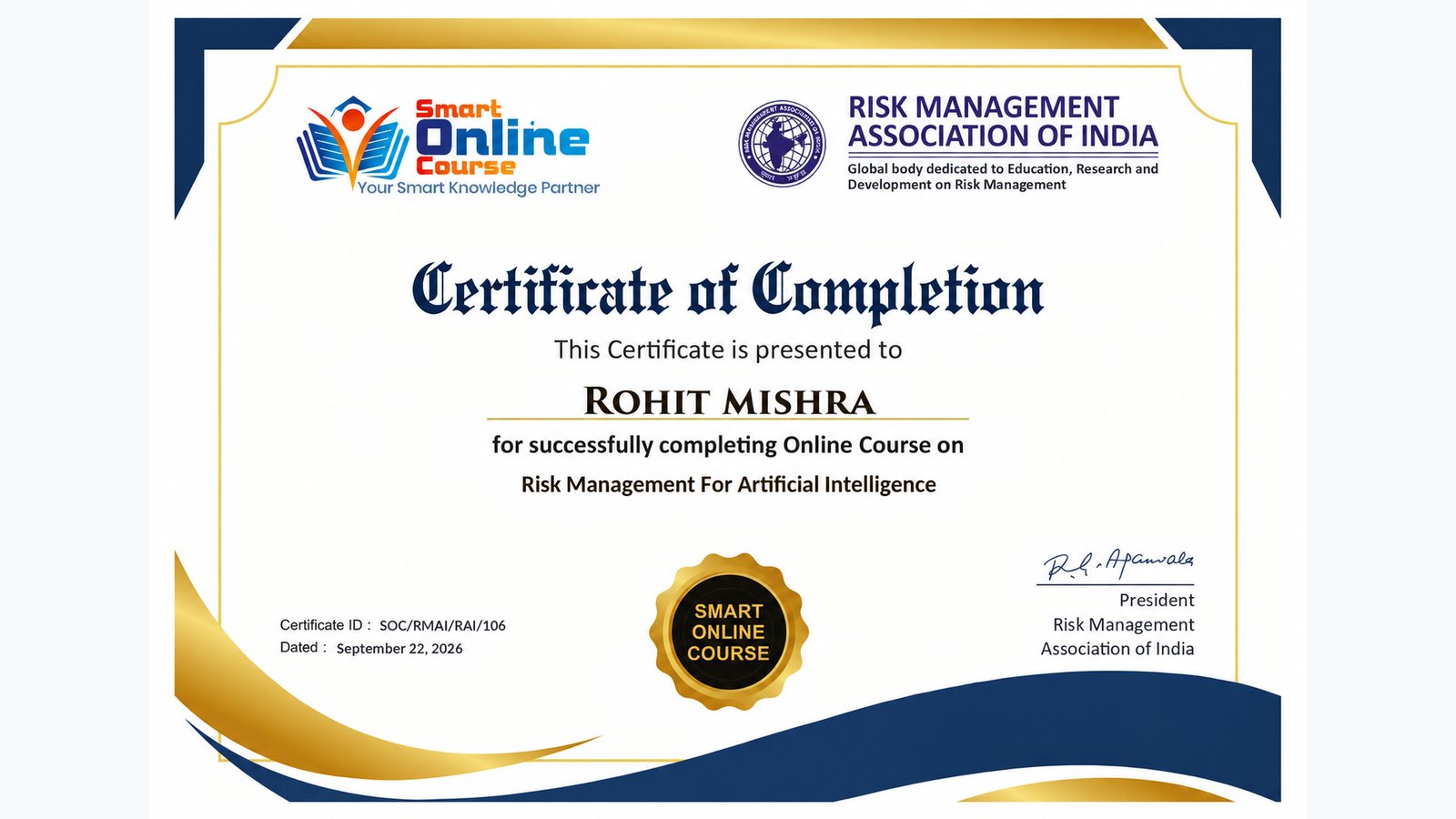
On completion you earn a Certificate of Completion from RMAI and Smart Online Course, and a Participation Certificate from the BFSI Sector Skill Council of India.
Sample certificates; yours will name this course. Issued subject to successful completion and applicable requirements.
The Participation Certificate is issued by the BFSI Sector Skill Council of India, which operates within the skill-development ecosystem supported by NSDC under the Ministry of Skill Development and Entrepreneurship, Government of India.
The Certificate of Completion comes from the Risk Management Association of India, a not-for-profit body with over 32 years in risk education, research and professional development.
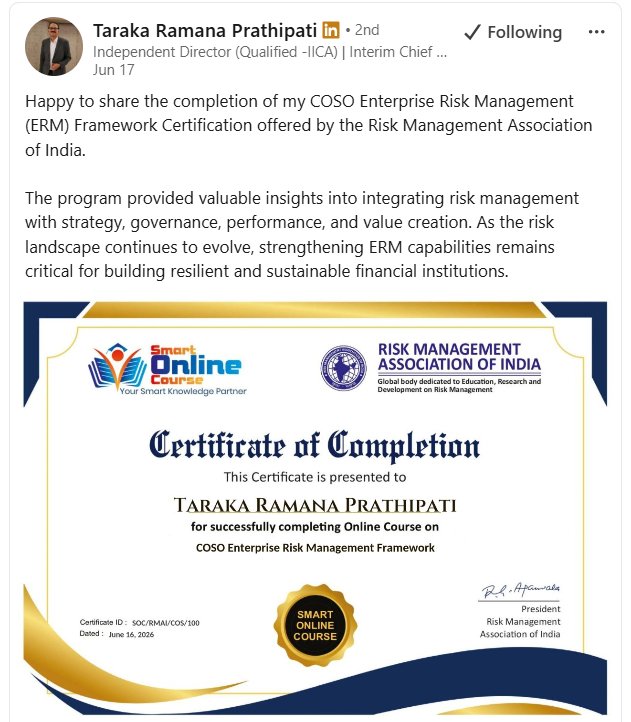
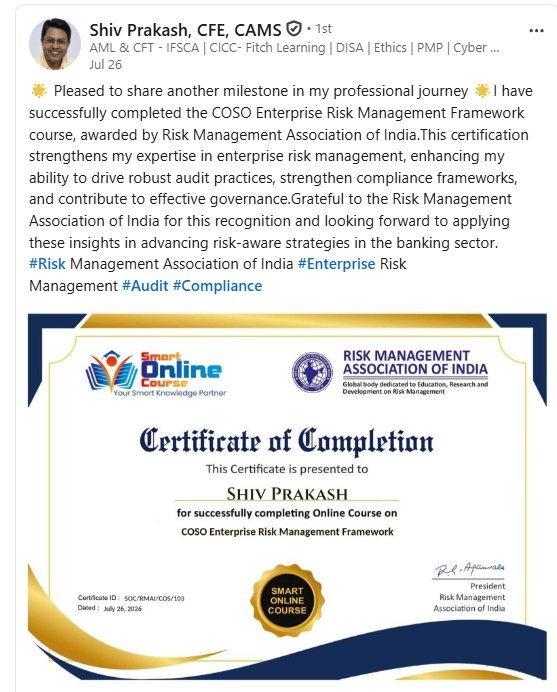
Professionals, including senior leaders at small finance banks, share their RMAI certificates on LinkedIn. Two of their posts are below.
“The program provided valuable insights into integrating risk management with strategy, governance, performance, and value creation.”
Taraka Ramana Prathipati
Independent Director (IICA qualified); Interim CRO, Equitas Small Finance Bank
COSO Enterprise Risk Management Framework“This certification strengthens my expertise in enterprise risk management, enhancing my ability to drive robust audit practices…”
Shiv Prakash
Zonal Manager, Internal Audit, Utkarsh Small Finance Bank
COSO Enterprise Risk Management FrameworkPosts by learners of other RMAI and Smart Online Course programmes, shared on LinkedIn. They are not endorsements by their employers; designations are as shown in the posts.
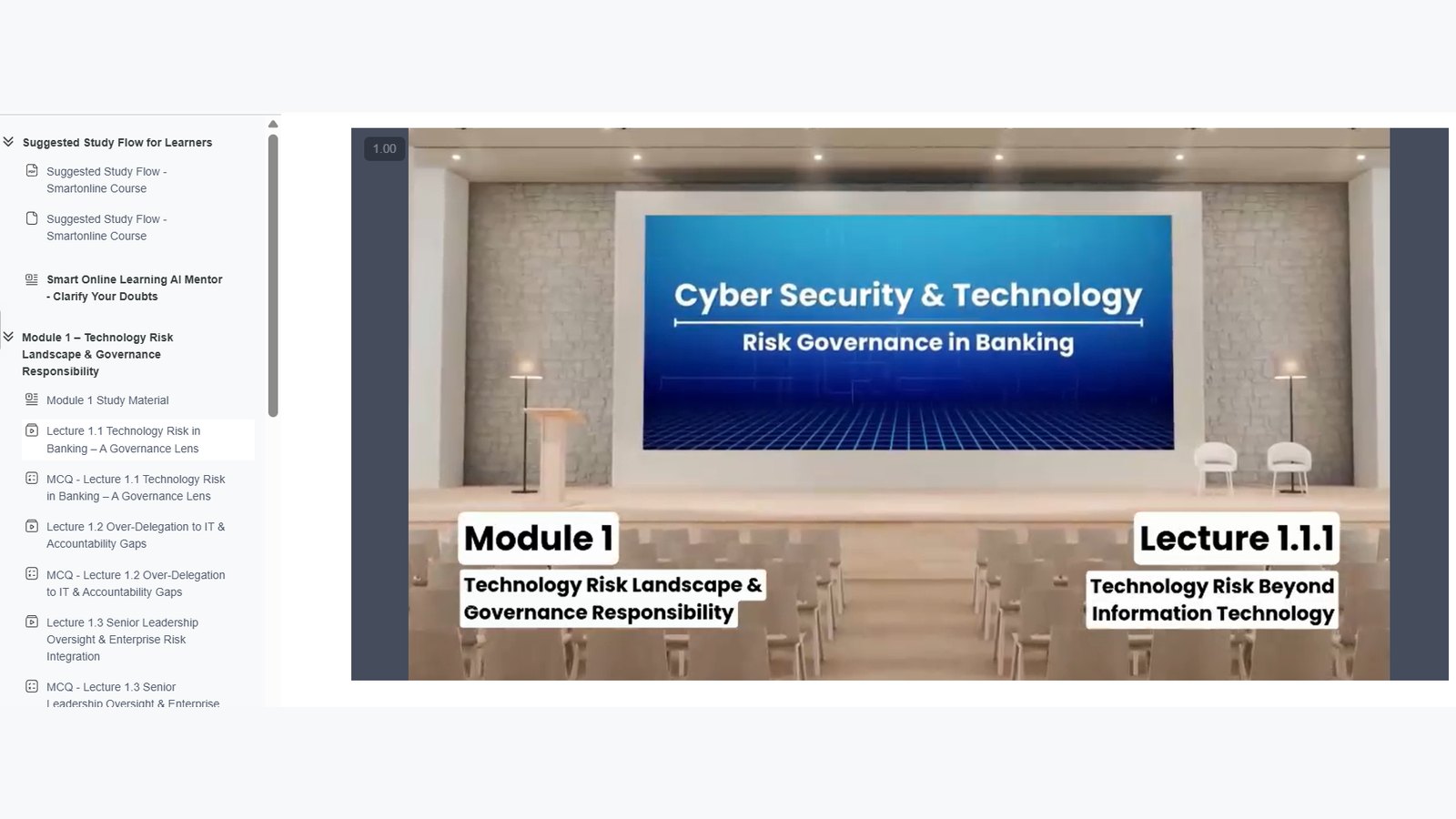
Video lectures, study material, real cases, assessments, an AI mentor and certification, all on the Smart Online Course platform, on any device.
52 lectures across 10 modules, from the foundations of model risk and RBI expectations to AI/ML models and Board reporting. About 13 hours of video to watch at your own pace.
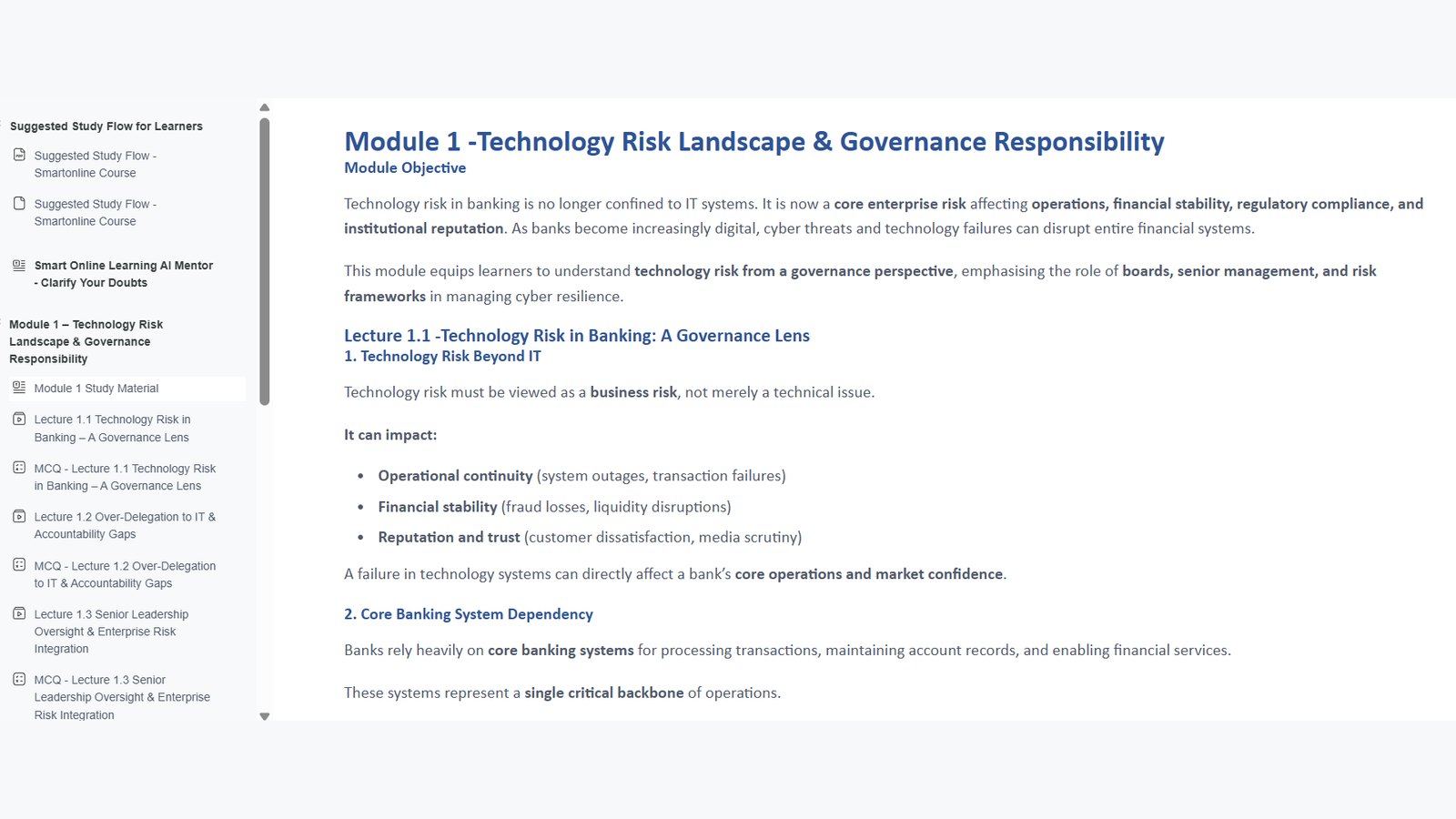
Each module comes with study material to revise from and refer back to at work.
From the London Whale and Silicon Valley Bank to RBI and PRA guidance, every lecture is anchored in a real case. 11 editable Excel and Word toolkits turn each module into something you can use.
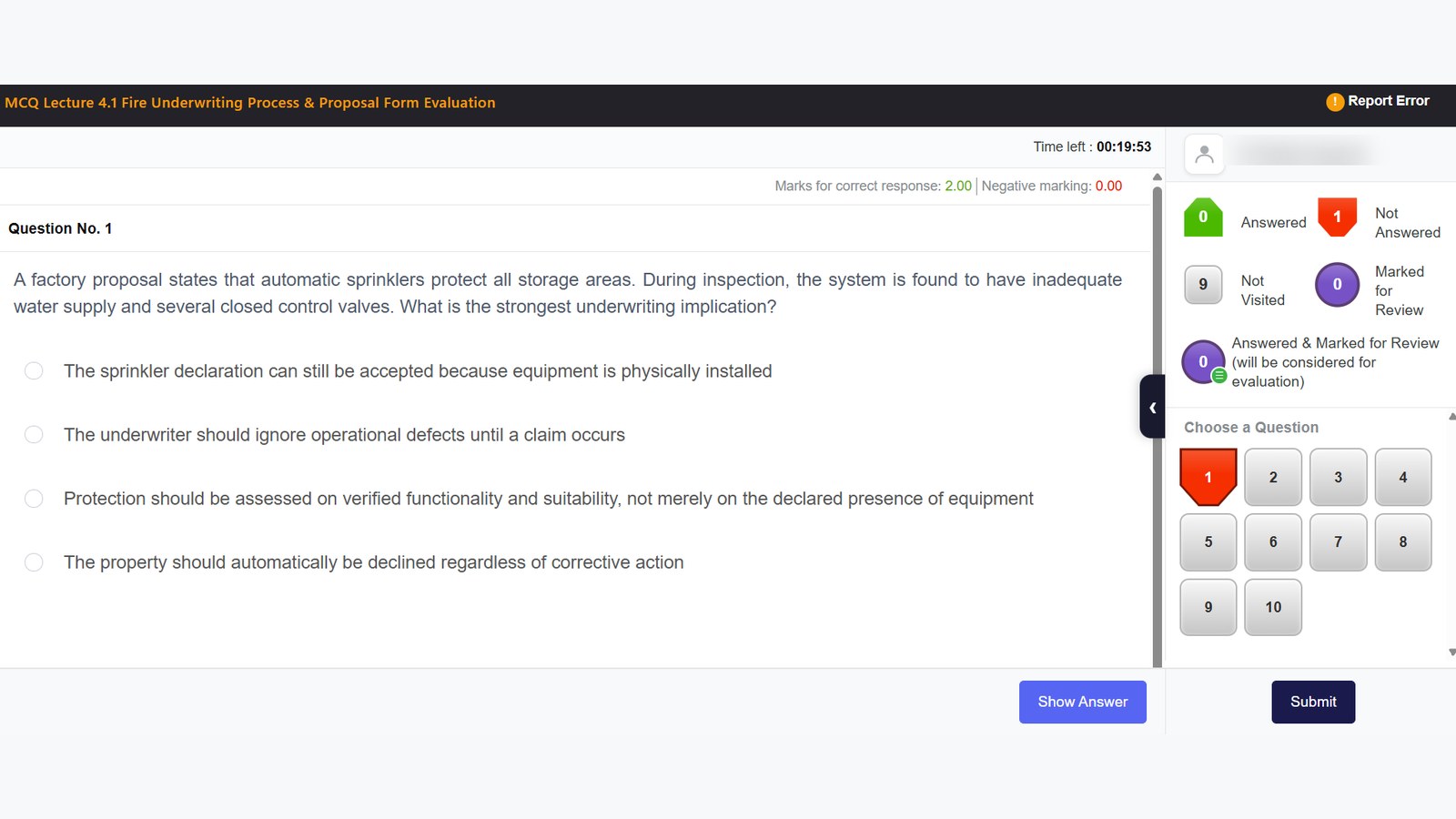
A short MCQ assessment follows each lecture, so you know what has stuck before moving on.
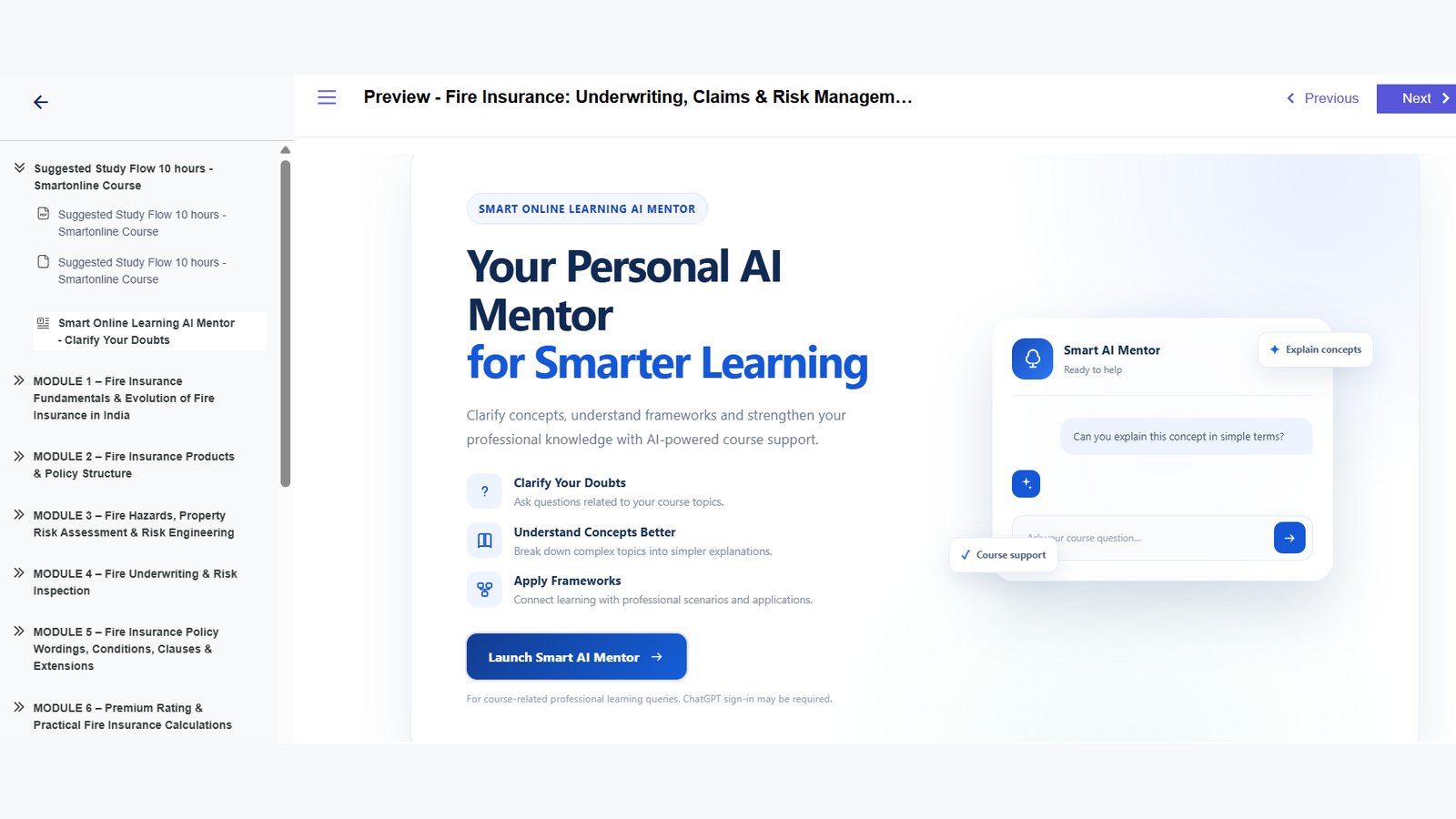
Ask questions as you study and get explanations on the spot with the Smart Online Learning AI Mentor.
A Certificate of Completion from RMAI and Smart Online Course, and a Participation Certificate from the BFSI Sector Skill Council of India.
Registers, scorecards, checklists and report templates as editable Excel and Word files, each linked to the module where it is taught.
A reference guide to keep alongside the course and revisit after the lectures.
Draft the MRM policy and set who is responsible and accountable at each step of the model lifecycle.
Self-check practices against the themes of RBI's 2026 draft guidance and track gaps to closure.
Record every model with owner, tier, validation dates and dependencies.
Score models on six criteria, assign risk tiers and set proportionate controls.
Document how a model is built, and test its data and implementation before go-live.
Plan the validation scope and report findings, limitations and the conclusion.
Run predicted-versus-actual, VaR back-testing, sensitivity and challenger comparisons.
Track metrics against thresholds, measure drift, and log overrides, overlays and changes.
Assess external models: methodology, validation evidence, contract terms and exit.
Rate AI/ML use cases and check explainability, drift, oversight and governance route.
Set appetite and KRIs, report to the Board and define escalation.
The toolkits are samples provided by RMAI for learning and illustration. They are not a guarantee of regulatory readiness or compliance; check them against your own processes and the directions that apply to your institution.
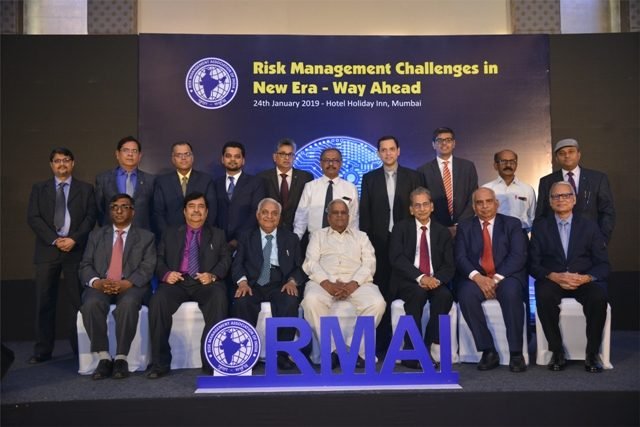
Regulators expect Boards, Risk, Compliance and Internal Audit to understand and challenge model risk, not only the analysts who build the models.
Open to professionals in banks, NBFCs, insurers and other financial institutions, and to those moving into model risk or model governance roles.
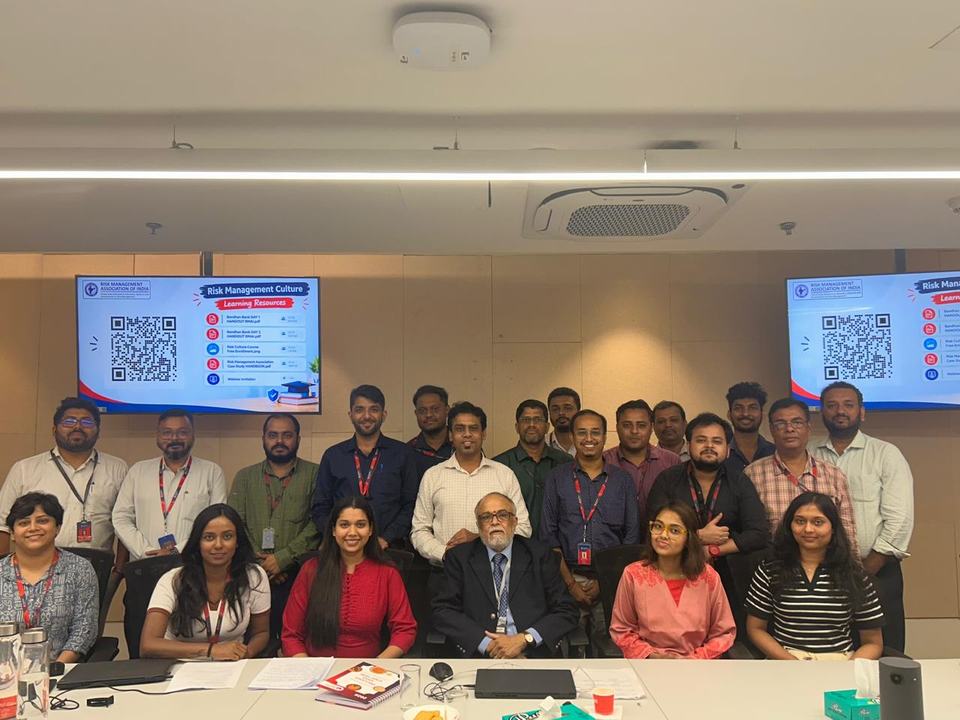
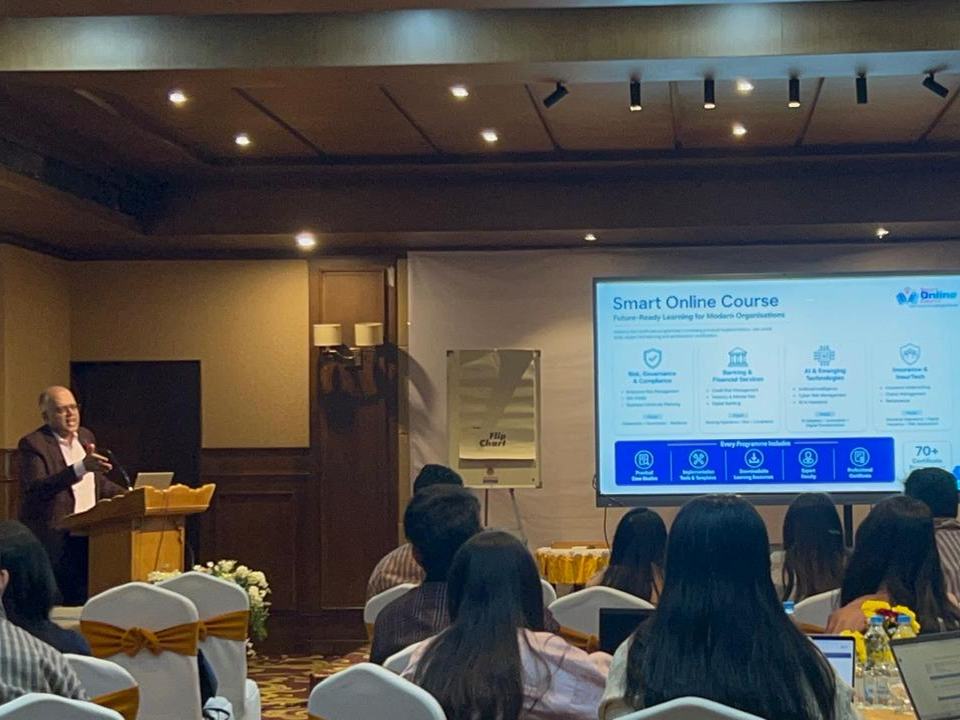
Faculty-led programmes run by RMAI and Smart Online Course for banks, insurers and institutions in India and abroad.
Risk Management Association of India. A not-for-profit body for risk education, research and professional development. Smart Online Course is its digital learning platform.
There are no batch dates. Enroll now and begin the first module straight away.
₹6,999₹12,50044% off
In India, per participant, including GST
Outside India$150$25040% off
Group enrollment: +91 8232083010
The course is created by the Risk Management Association of India (RMAI) and delivered on Smart Online Course. It is self-paced and pre-recorded, and every lecture pairs the concepts with a practical example and a documented case, regulatory or industry example.
You receive two certificates: a Certificate of Completion from RMAI, a not-for-profit professional body in risk management, and a Participation Certificate from the BFSI Sector Skill Council of India, which operates within the NSDC skill-development ecosystem under the Ministry of Skill Development and Entrepreneurship, Government of India. Many learners add their RMAI certificates to their LinkedIn profiles.
Yes. Preview the course to see the full curriculum, or download the brochure.
No. The course explains models, validation and monitoring at the level risk, audit, compliance and business professionals need. Quantitative and data-science professionals will find the governance, regulatory and validation content directly applicable.
Yes. Module 2 covers RBI's 2024 draft principles for credit models and the draft Guidance on Regulatory Principles for Model Risk Management released on 24 June 2026. The 2026 guidance is taught as a draft, and the programme is designed to be refreshed as the framework changes.
About 17 hours in total: 13 hours of lectures across 52 lectures, plus time working with the toolkits. Each lecture is followed by an MCQ.
Yes. For group or institutional enrollment, call or WhatsApp +91 8232083010, or email us at info@rmaindia.org.