Career Pathways in Banking Risk, Compliance, and Audit: What to Learn Next

April 23, 2026

Career pathways in banking risk, compliance, and audit are expanding as financial institutions face increasing regulatory pressure, operational complexity, and evolving risk landscapes. These functions are no longer support roles. They are central to decision making, governance, and institutional stability. 

However, many professionals struggle to move forward in their careers due to unclear pathways and skill gaps. Understanding what to learn next is critical for growth.

Why Career Pathways Are Changing

The BFSI sector is undergoing rapid transformation driven by:

  • Regulatory expansion and compliance expectations
  • Digital banking and technology integration
  • Increased focus on governance and accountability
  • Rising operational and reputational risks
As a result, roles in risk, compliance, and audit now require a broader and more practical skill set.

Understanding Career Pathways in Banking

1. Risk Management Pathway 

Professionals in risk roles focus on identifying, assessing, and managing risks across operations. Typical roles include:

  • Credit risk analyst
  • Operational risk manager
  • Enterprise risk professional
To grow in this pathway, professionals must build strong skills in risk assessment, monitoring, and decision making. 

2. Compliance Pathway 

Compliance roles ensure that institutions adhere to regulatory requirements and internal policies. 

Key roles include:

  • Compliance officer
  • AML and KYC specialist
  • Regulatory reporting professional
Career growth depends on understanding regulations, documentation discipline, and audit readiness. 

3. Audit Pathway 

Audit professionals evaluate internal controls and identify gaps in processes.

Typical roles include:

  • Internal auditor
  • Control testing specialist
  • Risk audit professional
This pathway requires analytical thinking, attention to detail, and strong documentation skills.

Common Skill Gaps Across These Roles

Despite experience, many professionals face challenges in advancing their careers due to:

  • Limited practical exposure to real scenarios
  • Weak understanding of regulatory frameworks
  • Lack of structured risk assessment skills
  • Inadequate documentation and reporting capability
  • Limited ability to connect risk insights with business decisions
These gaps reduce effectiveness and limit career progression.

Take a Skill Gap Assessment

Before deciding what to learn next, professionals must assess their current capabilities. 

A structured skill gap assessment helps to:
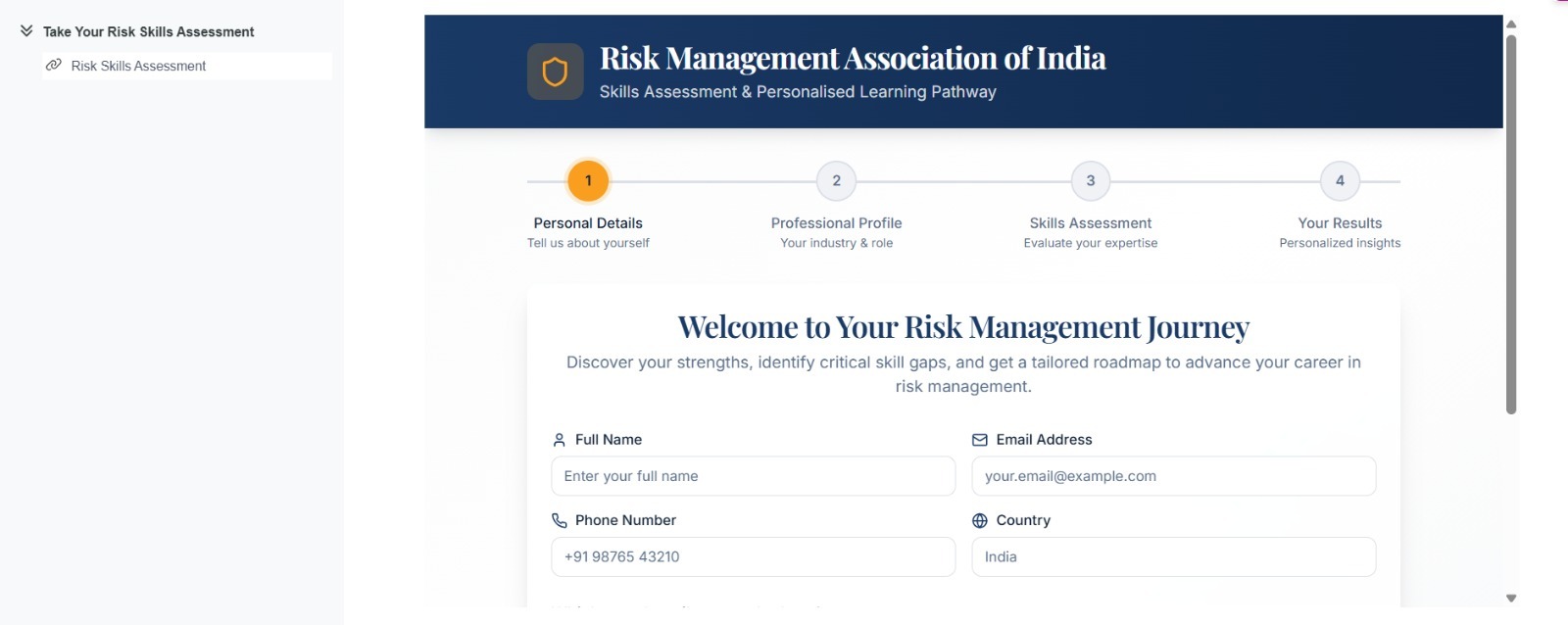
  • Identify strengths and areas for improvement
  • Align skills with industry expectations
  • Focus learning efforts on relevant areas
  • Build a clear career development plan
Without assessment, learning often remains unstructured and less effective.

What to Learn Next for Career Growth

1. Practical Risk Assessment Skills 

Understanding frameworks is not enough. Professionals must be able to apply them in real situations. 

Focus on:

  • Identifying early warning signals
  • Assessing risk impact and likelihood
  • Designing mitigation strategies
2. Regulatory and Compliance Knowledge 

Strong regulatory understanding is essential across all roles. 

Learn:

  • KYC and AML frameworks
  • Regulatory reporting requirements
  • Compliance monitoring processes
3. Data and Analytical Skills 

Data plays a critical role in risk and audit functions. 

Develop:

  • Ability to interpret financial and operational data
  • Skills in identifying trends and anomalies
  • Structured reporting techniques
4. Documentation and Audit Readiness

Documentation is often a weak area but is critical for compliance and audit. 

Focus on:

  • Maintaining audit ready records
  • Writing clear and structured reports
  • Ensuring traceability and transparency
5. Communication and Decision Making 

Professionals must be able to communicate risk insights effectively. 

Build:

  • Structured communication skills
  • Ability to present findings clearly
  • Decision making based on risk analysis

Career Opportunities for Skilled Professionals

With the right skills, professionals can move into: 

Banking Roles

  • Risk management
  • Compliance and regulatory functions
  • Internal audit
Financial Services and NBFCs
  • Credit and operational risk
  • Governance and control roles
Corporate Sector
  • Enterprise risk management
  • Internal audit and compliance
Demand for skilled professionals continues to grow across sectors.

Conclusion

Career growth in banking risk, compliance, and audit depends on building practical and relevant skills. Understanding your current capability through a skill gap assessment is the first step. 

Professionals who focus on structured learning and capability development will be better positioned to move into higher responsibility roles.

Building Practical Capability for Career Growth

To bridge skill gaps, professionals need structured training aligned with real world applications.

 Programs offered by Smart Online Course focus on: 

• Risk management and assessment frameworks

• Compliance and regulatory understanding

• Audit and control testing practices

• Documentation and reporting discipline

• Case based learning for practical exposure 

These programs help professionals build the skills required for career advancement.